February will once again be a challenge for wallets, as price hikes of all kinds are expected, amid an inflation rate that would hover around 2.4%, according to specialists. The increases will include public transport, prepaid medical plans, and rents, among other sectors.
Bus fares will increase by up to 4.8% Public transport will see increases in both the City and the Province of Buenos Aires. In the City of Buenos Aires, the bus fare will increase by 2.8%. The minimum bus fare for up to 3 km will go from $619.37 to $637.58; Route from 3 to 6 km: $708.46; Route from 6 to 12 km: $763.05; Route from 12 to 27 km: $817.67. In the Province of Buenos Aires, buses will increase by 4.5% starting February 1st: Minimum fare (between 0 and 3 kilometers): would go from $685.11 to $721.08; Segment from 3 to 6 km: from $730.42 to $803.29; Segment from 6 to 12 kilometers: from $786.61 to $865.17; Trips from 12 to 27 km: $927.12; More than 27 kilometers: $988.63.
Subway fare hike Since January, the fare will increase from $1,259 to $1,336 (with registered SUBE card), while the premetro ticket will cost $467.60.
Rents Rents will increase by up to 34.6% depending on the type of contract. February's increases will also impact rents. This increase will also apply to copayments.
Cable and telephone services: rates will increase by up to 3.5% The Confederation of Telecommunications Unions (CONSITEL) recently achieved the signing of a new salary increase for January as part of collective bargaining negotiations with the country's three main operators: Claro, Telecom, and Movistar. In this regard, the companies responsible for cable, internet, and telephone services have begun to inform their clients that from the first days of February, they will apply a new tariff adjustment, with an increase ranging from 2.8% to 3.5%, depending on the service and the operator.
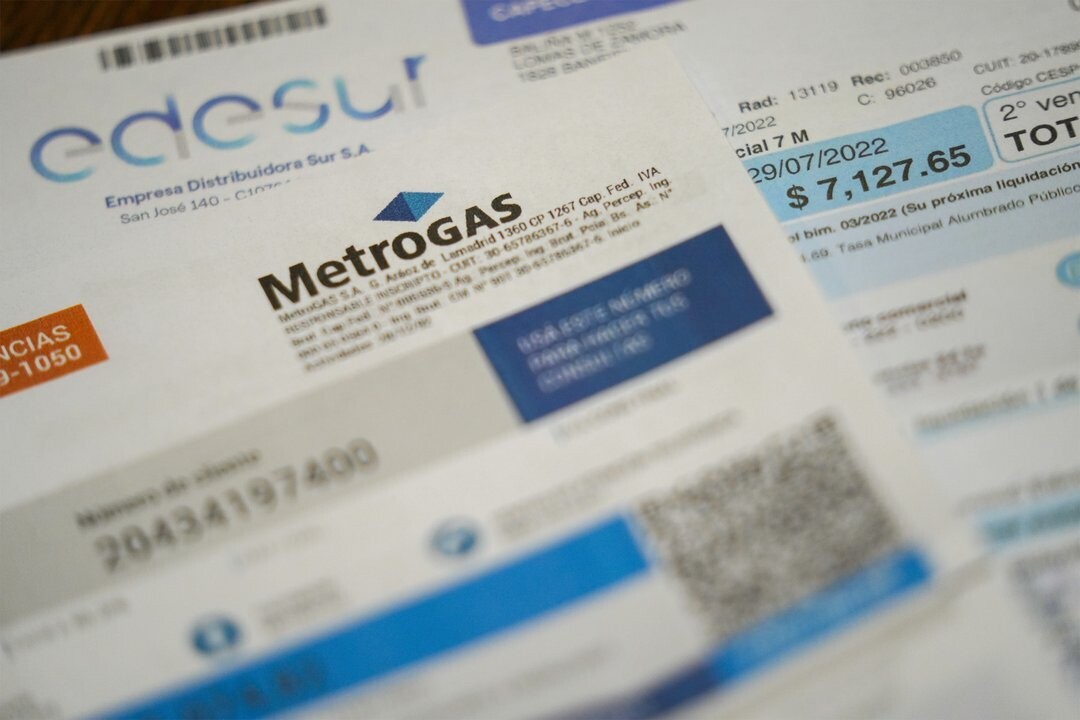
Gas and electricity: the new energy subsidy registry debuts Starting in February, the new Registry of Targeted Energy Subsidies (ReSEF) for electricity and gas comes into effect. It aims to make the payment for services more equitable throughout the year, to smooth out the historical spikes that occur in months of higher consumption—increasing the use of water heaters. The increase in services will depend on each user's consumption and their financial situation. In general, the Secretariat of Energy stated that with the new scheme, in months of high demand, 35% of electricity users will pay an average bill of less than $22,000; 66%, less than $44,000; and 81%, less than $67,000. In the case of gas, during the winter months, 56% of households will pay a bill of less than $14,000; 75%, less than $56,000; and 83%, less than $73,000.
Contracts still governed by the repealed Rental Law will have a more moderate increase than in recent months, rising by 34.6%, according to the Rental Contract Index (ICL). The values that will begin to apply to tenants in cases where it is necessary to update the contract with the owner: Annual contract by ICL (Repealed Rental Law). Initial rent: $400,000. Annual adjustment: 34.6%. New value: $538,400. Post-DNU contracts on a rent of $500,000. Quarterly adjustment (6.08%): $530,400. Four-monthly adjustment (8.22%): $541,100. Semi-annual adjustment (12.81%): $564,050.
Prepaid medical plans: fees will increase by up to 2.8% Prepaid medical plan companies have informed their members that fee increases will reach 2.80% in February.